




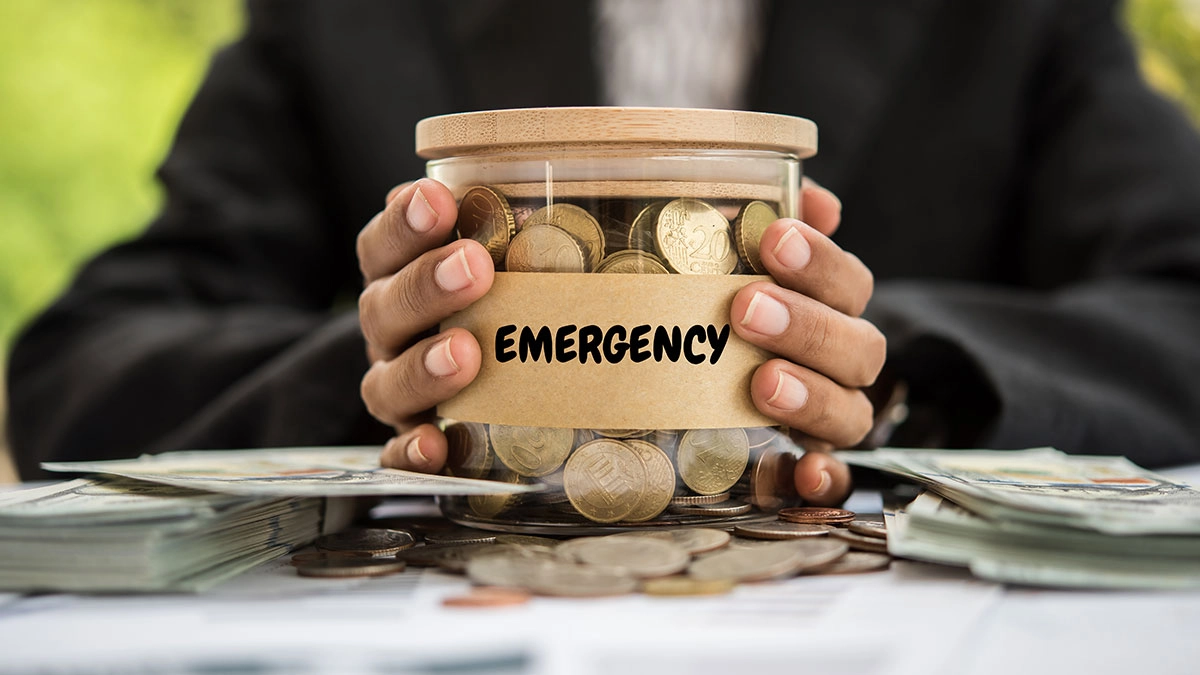
Life has many surprises in store, some of which are not happy. Unexpected medical bills, car repairs, a job loss, or a home maintenance problem can cause a serious financial problem if you’re not ready. That’s when the emergency fund comes into play. An emergency fund is a reserve of money that you have to pay unexpected costs without going into credit card debt, taking out a loan, or borrowing money from friends and family.
Having an emergency fund is important to many, but difficult to begin. One of the misconceptions is that you have to cut out on vacations, going out to eat, and enjoying yourself in order to save money. Saving money is not about having to completely overturn your lifestyle; it’s about being disciplined. You can start to save for emergencies over time and still indulge in those things that are important to you.
Why an Emergency Fund Is So Important
An emergency fund is an asset for financial protection in the face of unforeseen circumstances. But if you don’t have one, even a relatively minor emergency can cause a lot of stress and result in financial obligations.
What if your car has a costly repair needed or an out-of-pocket medical bill comes in? When you have money saved up for situations like these, they are a nuisance rather than a financial disaster.
It will also give you peace of mind to have an emergency fund. If you have some reserves of cash to fall back on when disaster strikes, you will be less stressed and better prepared for the future.
Determine How Much You Need
The most common reason that people don’t build an emergency fund is that they may think that the recommended size seems too large. The rule of thumb is to save 3-6 months of living expenses.
This is a great end goal, but it shouldn’t deter you from taking small steps along the way. It’s a process building an emergency fund, and even a few hundred dollars can mean a lot of protection against minor emergencies.
The first step is to figure out what your baseline costs are: housing, utilities, groceries, insurance, transportation, and other necessities. This will assist you in setting a realistic savings goal.
Start Small and Stay Consistent
One of the worst errors individuals can make is waiting until they have a very substantial sum that they can save for. In practice, it’s consistency that counts more than the size of the individual contributions.
A little bit each week can be a lot. For instance, if you save $25 a week, you’ll have $1300 saved in a year.
The important thing is to make it a habit. Making small and regular deposits is easier to maintain than those that are big, infrequent, and will not create momentum towards a larger financial objective.
Automate Your Savings
Carrying out automation is among the easiest and most effective methods to construct an emergency fund without feeling the pinch.
Many banks offer an option to set up an automatic transfer from your checking to your savings account. This makes it more difficult to spend money on something else, since it is automated.
If you think of savings as a steady payment, it will make it easier for you to stick with it. After you get used to the transfers, you might not realize that the funds are being deducted from your account.
Identify Small Spending Leaks
It doesn’t have to be all-or-nothing when it comes to building an emergency fund. Rather, it is best to find out what we can spend less on that will not make much difference.
Some of the more subtle items that wreak havoc on your finances include subscription items, impulse buying, unused memberships, and frequent convenience purchases. An examination of spending patterns can show you how you can move money from your spending to your savings without making a major change in your lifestyle.
For instance, if you could save a little from unused subscriptions or cut down on meals out a few times a month, you may find it possible to save enough for regular emergency fund contributions.
Use Windfalls Strategically
Unexpected income can help you to move ahead with your savings without affecting your budget.
There are lots of ways to add to your emergency savings fund, such as tax refunds, bonuses, cash gifts, freelance earnings, and work incentives. Saving a portion of this money is sometimes easier to do with a portion of it that wasn’t part of your regular monthly income.
You don’t have to save all the extra money that comes your way. You can save a lot more over time by simply allocating 50% of all windfalls to your emergency fund.
Separate Your Emergency Fund From Everyday Spending
It can be easy to spend money on something that isn’t a necessity if emergency money is kept in the same account as living expenses.
Create a special savings account for emergencies. The money gets separated, which helps to curb unnecessary withdrawals from your savings.
The account should also be readily available in case of a real emergency or crisis, but not so easy to reach that one is tempted to use it for frivolous or unnecessary spending.
Increase Income When Possible
Saving money is good, but making more money is better, and will accelerate your emergency fund faster than you can cut your costs.
The extra cash from side gigs, freelance jobs, online services, tutoring, pet sitting, rideshare driving, or selling items you don’t use can add up and be saved.
Any income can make a difference, even a small sum every month. Having extra money enables you to create your emergency fund without altering your spending habits.
Avoid Defining Every Expense as an Emergency
Many folks find it difficult to differentiate between a real emergency and an unplanned, but not urgent expense.
In an emergency, something is usually unexpected, necessary, and urgent. These might be medical expenses, necessary car or other vehicle repair, emergency trips for family reasons, or even a loss of income.
It may be tempting to take a vacation package that is discounted, purchase new electronics, or take advantage of seasonal sales, but none of that qualifies as an emergency. To protect your emergency fund, you need discipline and some rules for when it is acceptable to use the fund.
Celebrate Milestones Along the Way
Saving money may seem slow at times, particularly when trying to make big savings over the longer term. Recognising achievements keeps you motivated and encourages good financial behaviours.
Celebrate your achievements, no matter if you reached your first $500, $1,000 or one month’s worth of living expenses. These accomplishments are significant milestones to financial security.
Celebration doesn’t have to cost a lot of money. The purpose is just to acknowledge your hard work and persistence that led to your success.
Make Saving a Long-Term Habit
An emergency fund is NOT a goal to be achieved once and for all. Your savings needs may also change as your income, expenses, and responsibilities change.
Check your emergency fund occasionally and update your emergency fund goal as needed. Significant life changes like buying a house, starting a family, or changing jobs can call for more financial buffers.
Saving becomes an everyday habit, and you will always have a safety net in your years to come.
Conclusion
You don’t need to make big sacrifices or drastically change your lifestyle to build a savings account. Over time, anyone can build a financial safety net by taking small steps, setting up automatic savings, and identifying small expenditures that can be curtailed and redirecting those funds into savings.
The first step is to get started. Every donation, no matter how big, brings you closer to more financial stability and peace of mind. An emergency is an inevitability, but financial stress can be avoided. Building an emergency fund isn’t difficult, and it can provide you with a safety net to weather life’s twists and turns without sacrificing the lifestyle you want.